Email Unsubscribe Rate: What It Means & How to Reduce It
Email unsubscribe rate measures the share of recipients who opt out after an email or during a reporting period. It is useful as an audience-fit signal, but it should be read alongside complaints, clicks, conversions and list growth rather than treated as a standalone score.
Email unsubscribe rate formula
A common campaign formula is unsubscribes ÷ delivered emails × 100. For example, 25 unsubscribes from 10,000 delivered emails equals a 0.25% unsubscribe rate. Confirm your platform’s denominator before comparing reports because analytics definitions can differ.
What is a good unsubscribe rate?
There is no universal rate that fits every industry, message type and audience. A welcome campaign, daily newsletter and infrequent promotion have different expectations. Your own historical baseline by campaign type and acquisition source is usually more actionable than an isolated cross-industry benchmark.
Why unsubscribe rates increase
- Sending more often than subscribers expected
- Content no longer matches the signup promise
- Poor targeting or excessive promotions
- Weak acquisition quality
- Subscribers have simply completed their need
- A change in sender identity, format or audience strategy
How to reduce avoidable unsubscribes
- Set frequency and content expectations at signup.
- Segment when audiences have materially different needs.
- Use preference controls where they genuinely help.
- Track opt-outs by acquisition source and campaign type.
- Remove or suppress audiences that should no longer receive a stream.
- Keep unsubscribe easy instead of trying to hide it.
Google’s current subscription guidance says senders should implement one-click unsubscribe for subscription messages and honor requests within 48 hours. For Gmail bulk senders, one-click unsubscribe is a sender requirement for relevant marketing/subscribed messages.
Unsubscribe rate vs spam complaint rate
An unsubscribe is an explicit request to stop a mailing relationship; a spam complaint is negative feedback to a mailbox provider. Making opt-out difficult can push an uninterested subscriber toward the spam button. See our Email Spam Rate guide for complaint-specific guidance.
Measure net audience health
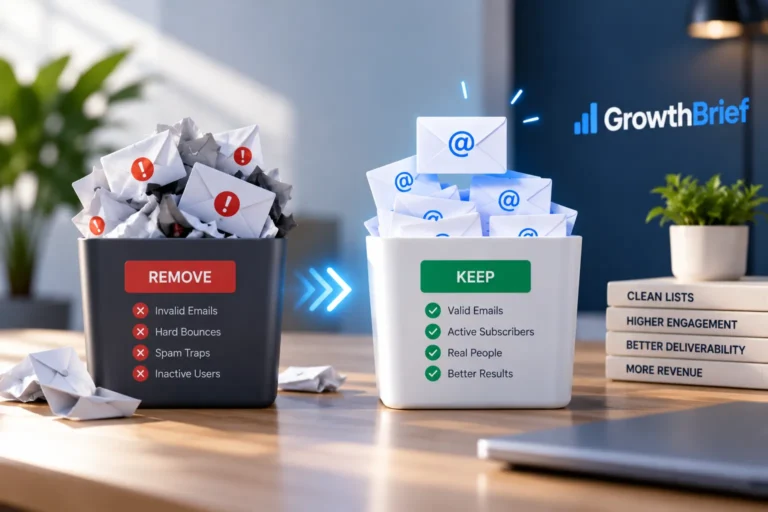
A low unsubscribe rate is not automatically success if acquisition is weak or engagement is deteriorating. Track new subscribers, unsubscribes and other removals together with the Email List Growth Calculator, and review list hygiene when inactive or invalid contacts accumulate.
Diagnostic checklist
- Compare the spike with your normal rate for the same campaign type.
- Check whether frequency or content changed.
- Segment by signup source and subscriber age.
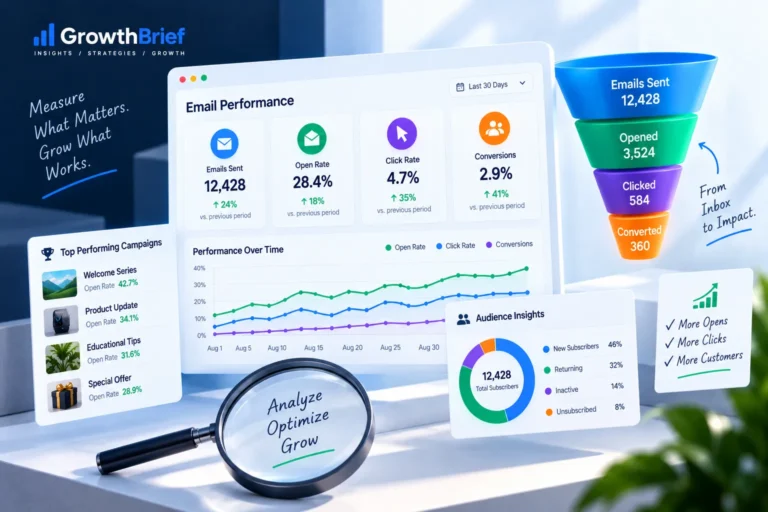
- Compare clicks, conversions and complaints.
- Verify suppression works correctly after an opt-out.
Frequently Asked Questions
How do you calculate unsubscribe rate?
Divide unsubscribes by the reporting denominator used by your platform—commonly delivered emails—and multiply by 100.
Is zero unsubscribes always better?
No. A healthy program gives uninterested people an easy exit. Hiding unsubscribe can increase complaints and distort audience quality.
Should I compare unsubscribe rates across industries?
Benchmarks can provide context, but your own comparable campaigns and acquisition sources usually provide a more useful baseline.