Re-Engagement Emails: Examples & How to Build a Win-Back Sequence
Build a re-engagement sequence that tests genuine interest, offers useful choices and improves the quality of the active email audience.
Define inactivity for your business
A daily publication and a product bought twice a year should not use the same inactivity threshold. Consider normal cadence, clicks, purchases, product activity and other meaningful signals.
Because open tracking is imperfect, avoid making every suppression decision from opens alone when better data exists.
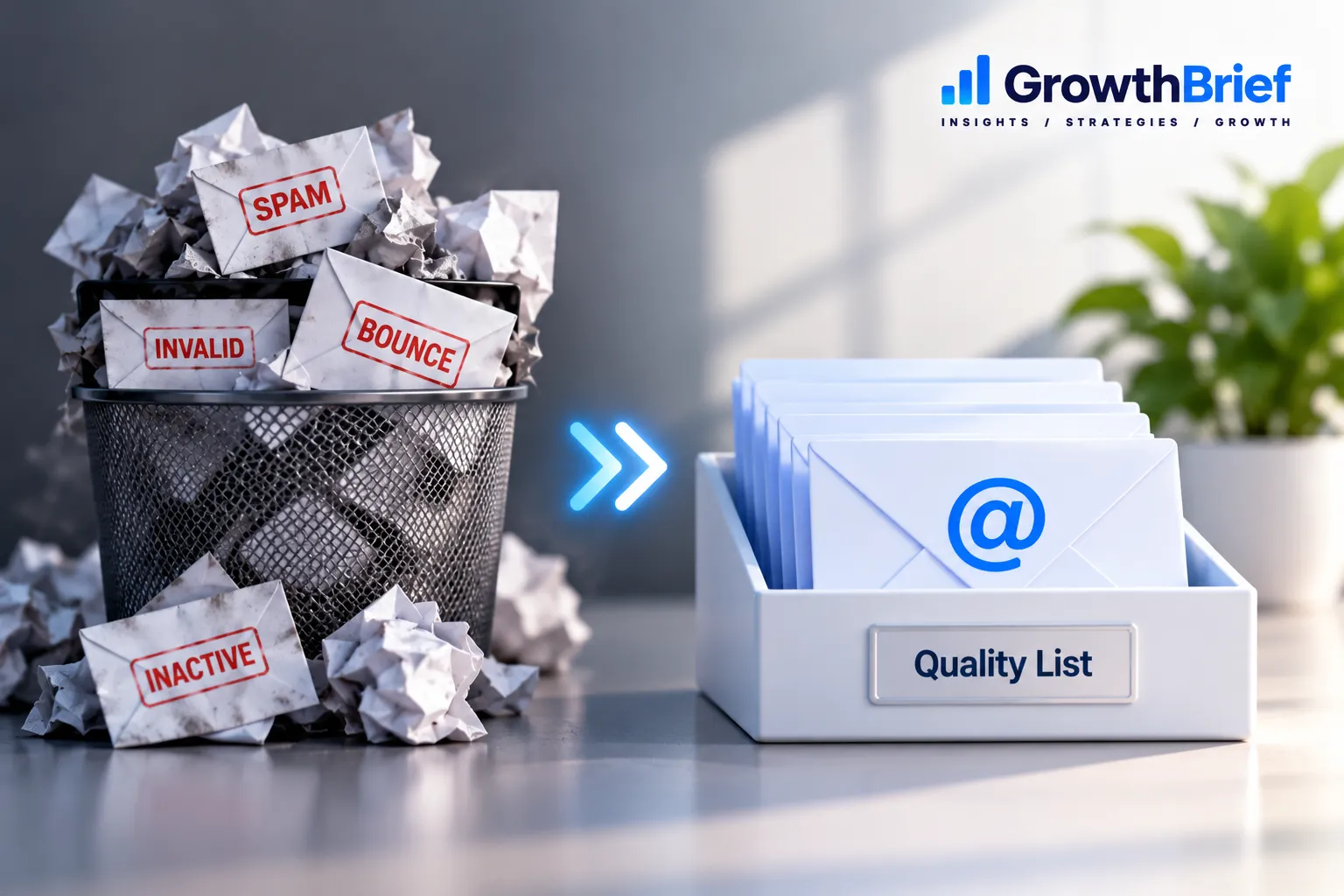
Email 1: remind them of the value
Explain why they are receiving the email and restate the useful content, product or service they originally chose. Give one clear way to re-engage.
Do not guilt the subscriber for inactivity.
Email 2: offer control
Let people adjust topics or frequency when your program supports preferences. Someone may still value the relationship but want fewer messages or a narrower subject.
Make the preference experience as clear as the email itself.
Email 3: close the loop
Explain honestly that inactive contacts may be suppressed and give a clear way to remain active. Do not use a fake deadline merely to provoke a click.
The objective is to identify genuine interest, not preserve list size at any cost.
Should you use an incentive?
An incentive can make sense for customer win-back when economics support it, but it should not be the default for every inactive subscriber.
Measure renewed profitable behavior, not only coupon use.
What happens after the sequence
Contacts who meaningfully re-engage can return to the appropriate active segment. Persistently inactive contacts can be suppressed according to your policy and applicable requirements.
Keep suppression data so removed contacts are not accidentally re-imported later.
Measure re-engagement
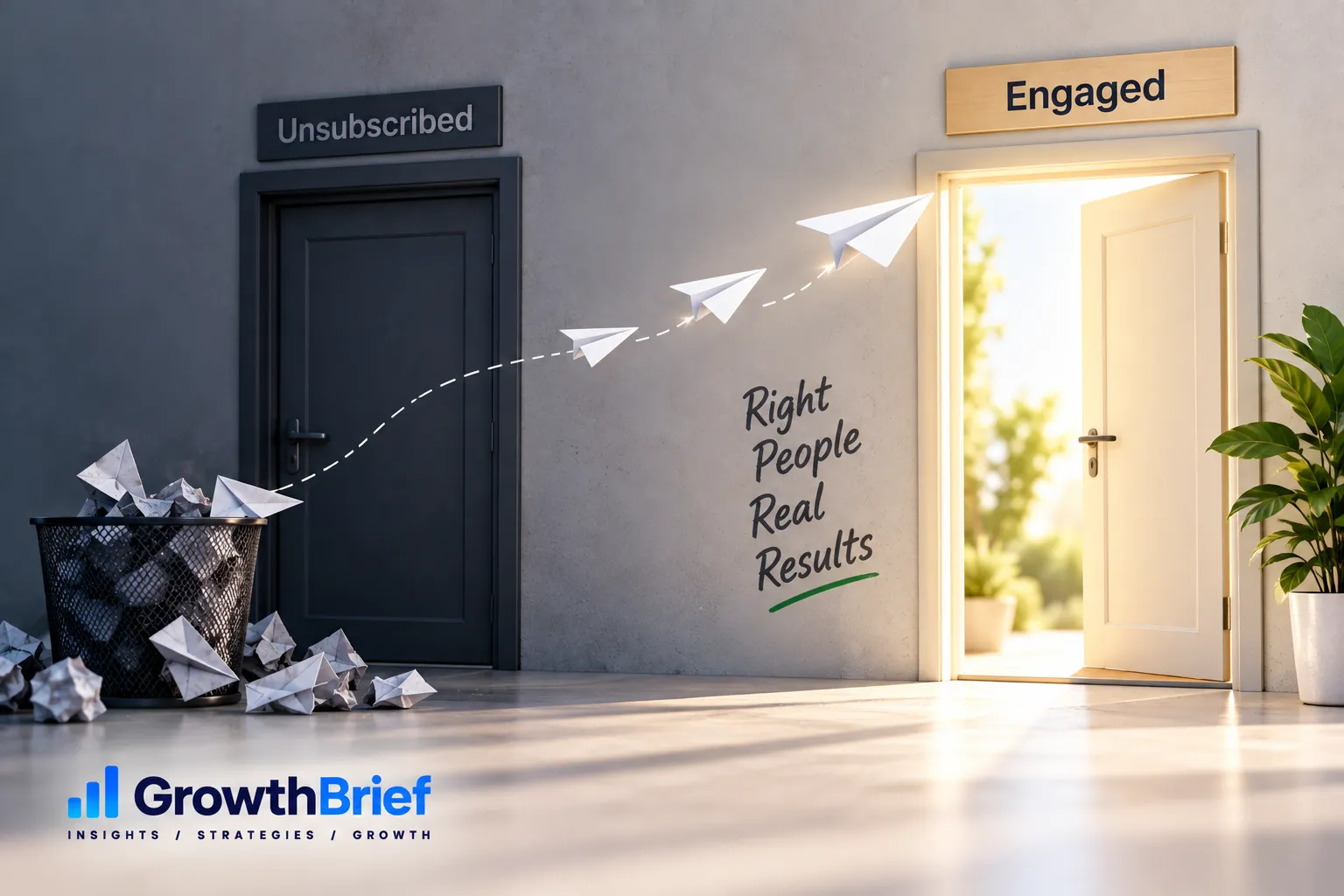
Track meaningful clicks, purchases, preference updates, replies, unsubscribes, complaints and contacts suppressed. Evaluate subsequent behavior, not just the reactivation click.
A smaller active list can be healthier than an inflated database of people who no longer want the email.
Connect win-back to deliverability
Re-engagement is both lifecycle management and list hygiene. It cannot compensate for poor acquisition or irrelevant campaigns.
Use the GrowthBrief deliverability guide alongside the sequence. You can also map a starting win-back flow with the Email Sequence Planner.
Re-Engagement Is a Decision Process
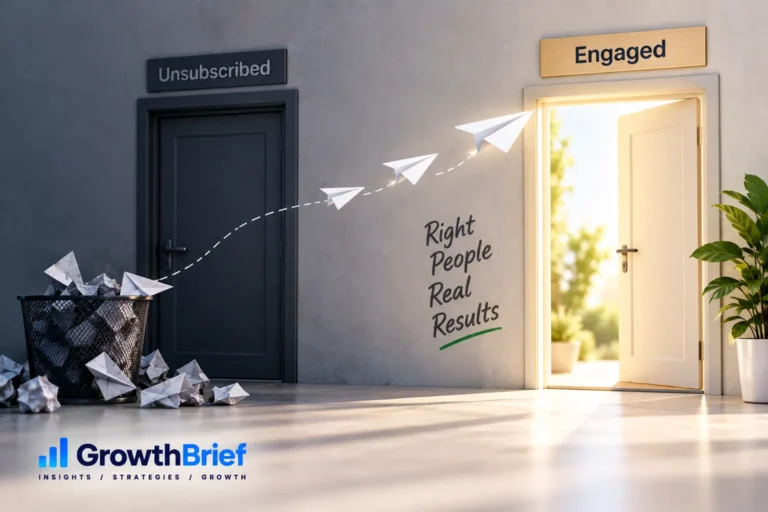
The sequence should answer: does this person still want this relationship, and if so, what form should it take? That is different from trying to manufacture one last open. A useful program can retain genuinely interested subscribers, move others to a lower-frequency preference, and suppress people who no longer want the mail.
Example Win-Back Map
| Step | Message | Next state |
|---|---|---|
| 1 | Remind subscriber of the value | Meaningful engagement → active |
| 2 | Offer topic/frequency choices | Preference update → appropriate segment |
| 3 | Explain that inactive mail may stop | No response → suppress under policy |
Do Not Confuse Email Inactivity With Customer Inactivity
A customer may ignore newsletters while continuing to purchase or use the product. If you have reliable first-party customer or product data, include it in the decision. Suppressing promotional email can be appropriate without misclassifying the person as a lost customer.
Preserve Suppression State
When contacts leave active marketing, preserve the information needed to keep them suppressed. Otherwise, an old backup, CRM sync or spreadsheet import can accidentally re-add people who unsubscribed or were intentionally sunset.
Frequently Asked Questions
How many re-engagement emails should I send?+
A short sequence is usually easier to justify than indefinite reminders, but the right number depends on cadence, customer value and audience response.
Should inactive subscribers be deleted?+
Suppression is often operationally safer than deletion because it preserves the fact that an address should not be mailed. Your retention and privacy policies should determine the exact handling.
When should I start a re-engagement campaign?+
Define inactivity relative to your normal sending cadence and customer lifecycle. Use stronger first-party behavior when available instead of relying only on tracked opens.
What should happen if someone does not re-engage?+
Follow your documented policy. That may mean suppressing the contact from active marketing while preserving the suppression state.
Should a re-engagement email offer a discount?+
Only when it makes economic and customer sense. Preference control or a clear value reminder may be more appropriate.
Similar Posts
Abandoned Cart Emails: Examples, Templates, Subject Lines & Sequence
Use practical abandoned cart email templates, subject-line ideas, examples and a three-email recovery sequence to bring shoppers back without relying on automatic discounts.
Email Personalization: Strategies, Examples & Best Practices
Learn how to personalize email with lifecycle, behavior, preferences and customer context without creating a creepy or fragile experience.
Welcome Email Sequence: What to Send and When
Build a practical welcome email sequence with a clear five-email framework, timing guidance, automation rules, measurement tips and common mistakes.
Welcome Email Examples: What to Send New Subscribers
Learn what a welcome email should contain and how welcome sequences differ for publications, SaaS, ecommerce and service businesses.
What Is Email Marketing Automation? Examples, Triggers and Workflows
Learn what email marketing automation is, how triggers, conditions and actions work, useful workflow examples, and how to build your first automation.