Email Personalization: Strategies, Examples & Best Practices
Learn how to personalize email with lifecycle, behavior, preferences and customer context without creating a creepy or fragile experience.
Personalization is more than a first name
A name token changes wording; useful personalization changes relevance. New subscribers, active customers, evaluators and inactive contacts often need different information even when the greeting is identical.
Start by asking what you would change if you knew the recipient’s current state.
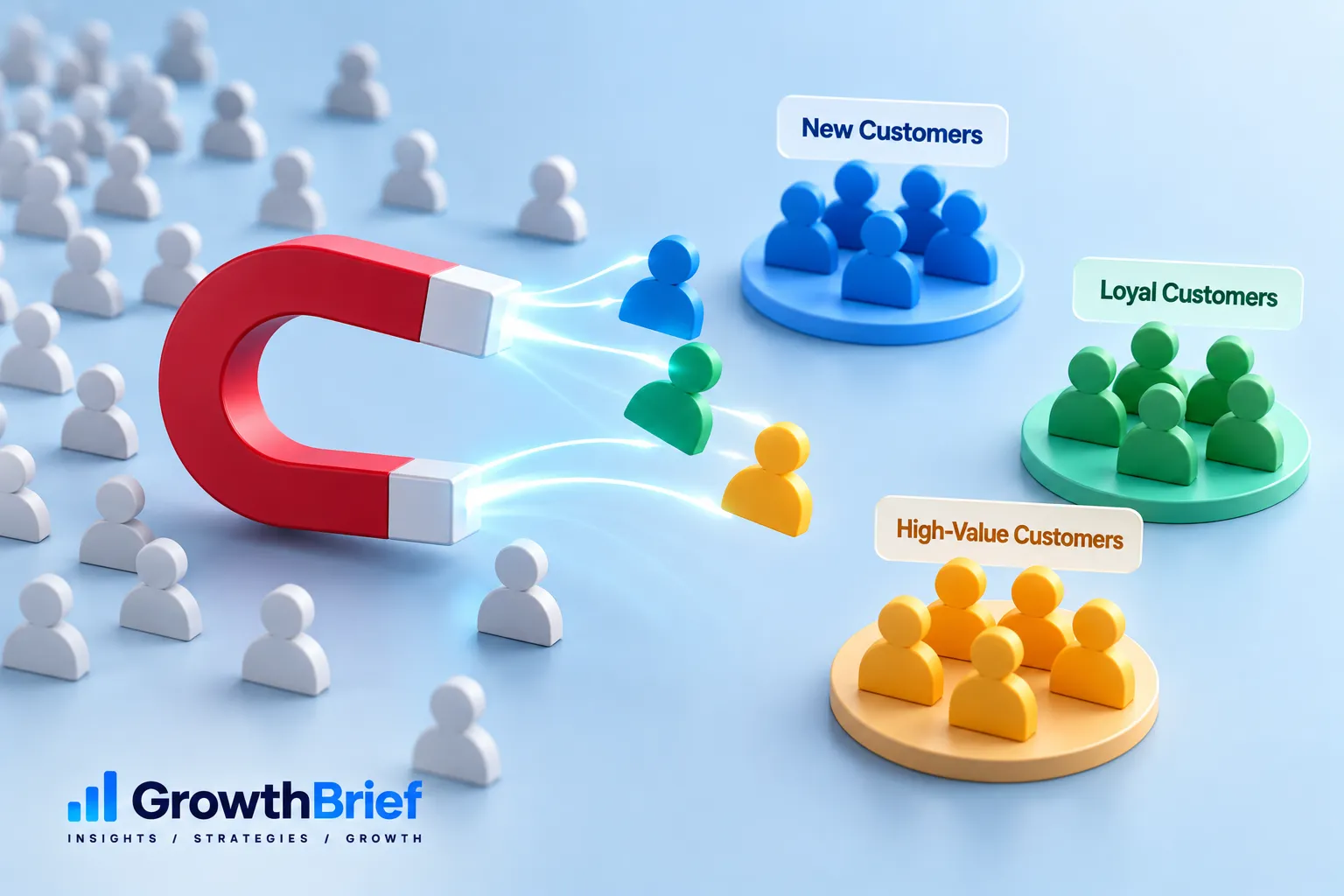
Useful data for personalization
Declared interests, signup source, lifecycle stage, customer status, products owned, purchases and meaningful product behavior can be useful inputs. Collect only data you can maintain and use responsibly.
More fields create more failure modes. Prioritize data that changes a decision.
Behavior-based personalization
Actions can trigger customer onboarding, post-purchase guidance, cart recovery or feature education. Earlier product-interest signals can also support browse abandonment workflows when the contact is eligible to receive them. Define exit conditions so a later action removes the person from an obsolete message path.
Treat weak signals cautiously. A single open is less meaningful than a completed purchase or product milestone.
Segments vs dynamic content
Use segmentation when different groups need substantially different campaigns or journeys. Use dynamic content when the core message is shared but selected blocks need to change.
Brevo documents segments based on attributes and events that update as contacts meet or stop meeting conditions, a useful model for lifecycle personalization.
Avoid the creep factor
Do not surface data merely to prove that you have it. Personalization should feel expected and useful. Sensitive or surprisingly specific references can undermine trust.
Review the message from the recipient’s perspective: would they understand why the business knows and uses this information?

Fallbacks and data quality
Every merge field needs a safe fallback. Test missing names, malformed values, stale product attributes and conflicting customer states.
Automation amplifies both good data and bad data, so data governance is part of personalization quality.
Measure the effect
Test whether personalization improves clicks, activation, purchases, qualified leads or retention. A personalized subject that increases opens without improving the next action may not be valuable.
Measure the strategy, not just the token.
Personalization inside automation
Map customer states, decide which data genuinely changes the message, and document the branches. Keep the simplest workflow that delivers the needed relevance.
See GrowthBrief’s email automation guide for workflow design.
Personalization Maturity Model
| Level | Example | Main risk |
|---|---|---|
| 1. Presentation | Name or company merge field | Broken/stale values |
| 2. Preference | Content based on declared interests | Outdated preferences |
| 3. Lifecycle | Different messaging for prospect/customer | Incorrect state transitions |
| 4. Behavior | Onboarding based on product actions | Over-interpreting weak signals |
| 5. Contextual | Product/account information relevant to the task | Privacy and data-governance errors |
Design the Fallback Before the Personalization
For every personalized field, decide what appears when the value is missing, stale, unusually long or inappropriate. “Hi there” is better than “Hi ,” and a generic recommendation can be better than an obviously wrong one. Test contacts should deliberately include incomplete records.
When Personalization Should Be Removed
If a data point does not change the recipient’s understanding or next action, consider not using it. The goal is not to demonstrate database sophistication. It is to make communication more useful. Removing fragile personalization can improve both trust and operational reliability.
Frequently Asked Questions
Is using a first name enough personalization?+
It can make copy more natural, but it does not necessarily make the message more relevant. Lifecycle and intent are often more useful.
How much customer data should be used?+
Only data that is appropriate, reliable and useful for the message. More personalization is not automatically better.
What data is best for email personalization?+
Use reliable data that changes the message or next action, such as declared preferences, lifecycle stage, customer status, products owned or meaningful product behavior.
What is the difference between segmentation and personalization?+
Segmentation groups contacts for different campaigns or journeys; personalization adapts content using known context. They often work together.
How do I prevent broken personalization?+
Define safe fallbacks, test incomplete and malformed records, monitor state transitions and remove personalization that depends on data you cannot keep accurate.