Email Preference Centers: Give Subscribers More Control Than Unsubscribe
An email preference center lets subscribers control aspects of the email relationship—such as topics, frequency or lists—instead of offering only an all-or-nothing subscription choice. It can improve relevance, but it should not create friction around a genuine unsubscribe request.
What a preference center can control
- Newsletter or topic subscriptions
- Promotional categories
- Frequency choices
- Product or interest preferences
- Communication channels, where supported
- A clear option to unsubscribe from marketing
Preference center vs unsubscribe
A preference center is useful for subscribers who want less or different email. It should not be used to force someone through multiple choices when they simply want to opt out.
For Gmail bulk senders, one-click unsubscribe for qualifying marketing/subscribed messages is implemented through List-Unsubscribe headers; Google explicitly notes that a preference-page link alone does not satisfy RFC 8058 one-click unsubscribe. Yahoo also requires easy unsubscribe for bulk marketing/subscribed messages.
What makes a useful preference center?
- Keep choices understandable. Use subscriber language rather than internal campaign names.
- Explain frequency. “Weekly digest” is clearer than a vague “reduced email” option.
- Show current selections. Subscribers should know what they are changing.
- Offer a clear unsubscribe. Do not hide the exit.
- Apply changes reliably. Preferences must flow into segmentation and suppression.
Frequency controls
Frequency options can retain people who still want the relationship but receive too much mail. Only offer choices your sending system can actually honor.
Topic controls
Topic preferences can support more relevant segmentation. Avoid creating dozens of overlapping categories that subscribers cannot understand or your team cannot maintain.
Data and consent considerations
Record when preferences change and keep the data synchronized across the systems that send email. Do not interpret a preference for one topic as consent for unrelated marketing.
How preference centers support segmentation
Declared interests are useful first-party signals. Combine them carefully with behavioral data rather than assuming every click permanently defines a subscriber. See our Email Segmentation guide.
How they support list health
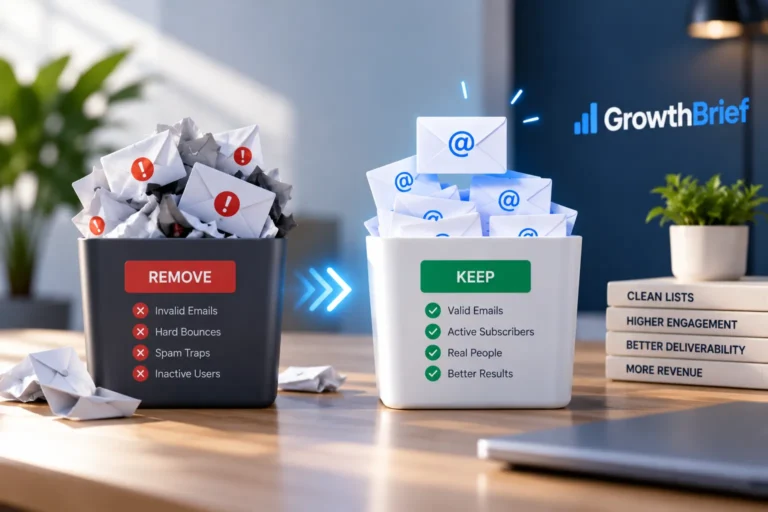
Preference controls can reduce unnecessary sends, but they are only one part of list health. Pair them with list hygiene, a reliable suppression process and clear signup expectations.
Frequently Asked Questions
Does a preference center replace one-click unsubscribe?
No. For Gmail’s qualifying bulk promotional traffic, a preference-page link by itself does not meet the RFC 8058 one-click unsubscribe requirement.
Should subscribers choose email frequency?
It can be useful when your system can reliably honor the choices and the options are easy to understand.
How many preferences should I offer?
There is no universal number. Offer only meaningful choices that subscribers understand and your marketing operations can consistently maintain.