Welcome Email Sequence: What to Send and When
A welcome email sequence is a short series of emails sent after someone subscribes, registers, downloads a resource, starts a trial, or enters another new relationship with your brand. Its purpose is to deliver what was promised, set expectations, establish relevance, and guide the subscriber toward a useful next step.
A welcome sequence should not be a disguised sales blast. It is the beginning of the relationship, so clarity and trust matter more than squeezing every possible promotion into the first few days.
What Should a Welcome Sequence Accomplish?
A strong sequence normally does four jobs:
- confirms the signup and delivers the expected resource or access;
- explains what the subscriber can expect from future emails;
- helps the reader get an early result or useful insight;
- guides the subscriber toward the next relevant action.
Those jobs fit naturally into a broader email marketing strategy.
How Many Welcome Emails Should You Send?
There is no universal number. A simple newsletter may need only two or three emails. A trial product or higher-consideration service may need a longer onboarding sequence.
Choose the number of emails based on the amount of information required to help the subscriber succeed, not on an arbitrary template.

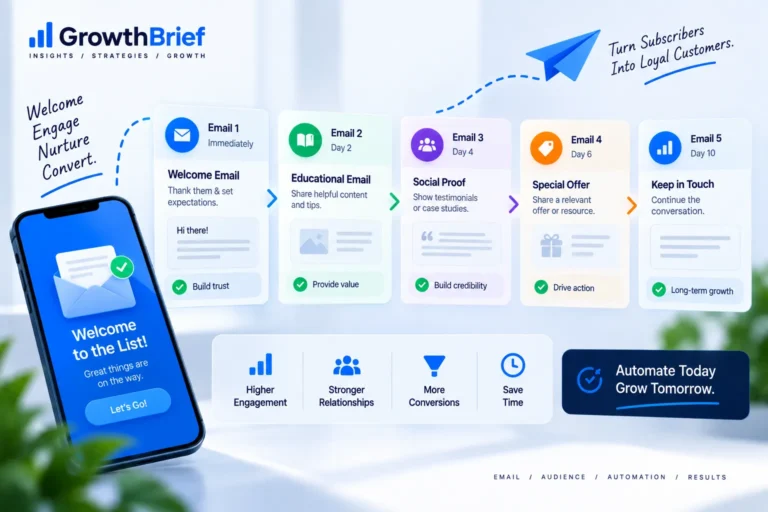
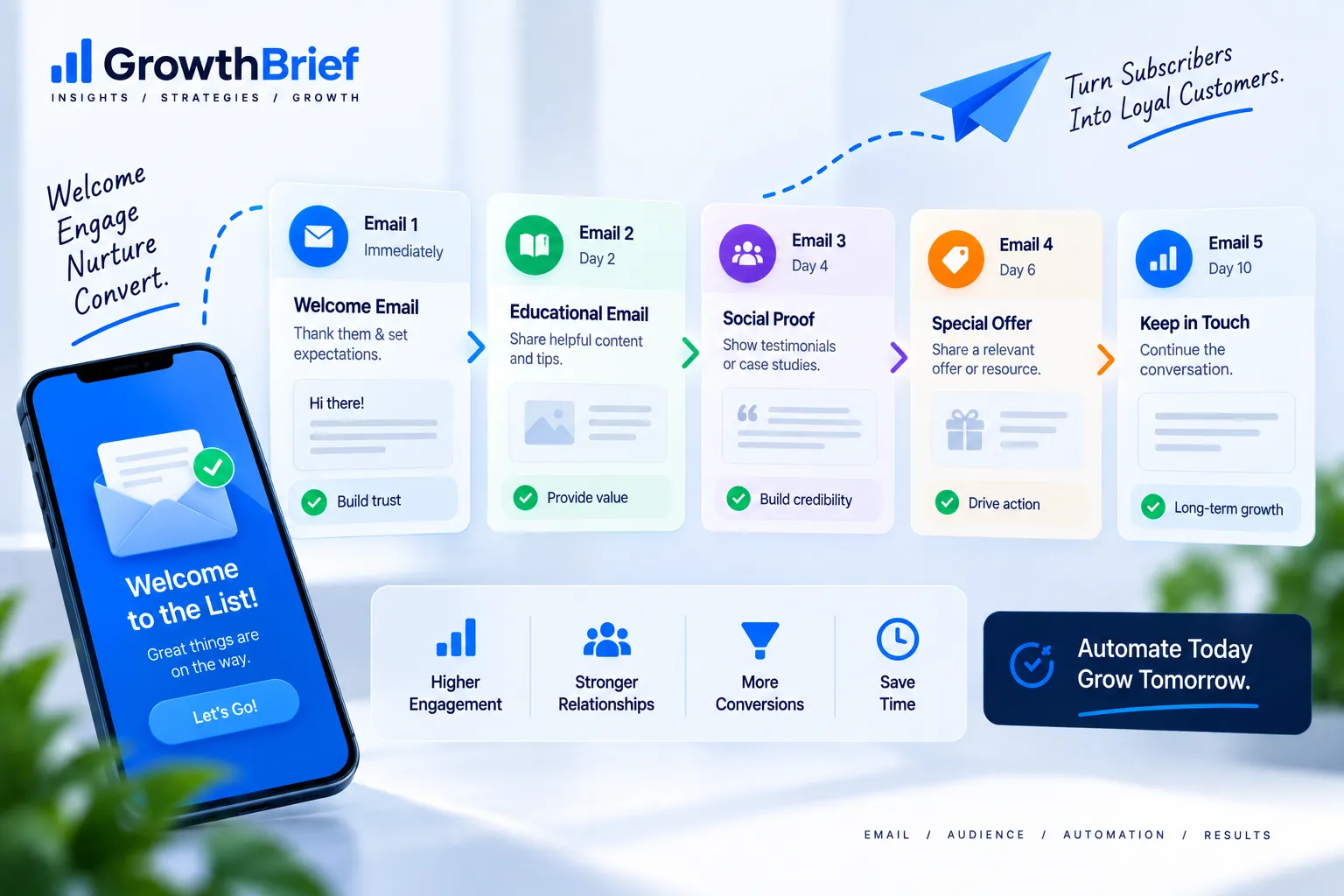
A Practical Five-Email Welcome Sequence
Email 1: Deliver the promise immediately
Send the resource, confirmation, access instructions, coupon, or information the subscriber expected. Remind them why they are receiving the email and make the next step obvious.
If you promised a checklist, do not bury the link under a long company story. Fulfill the signup promise first.
Email 2: Help them get a quick win
Teach one practical idea or action that helps the subscriber benefit from what they signed up for. This email proves that staying subscribed is useful.
Email 3: Add context and credibility
Explain how to think about the problem, common mistakes, or the process behind a good result. This can include evidence, examples, methodology, or a concise explanation of your approach without inventing experience or claims.
Email 4: Personalize the path
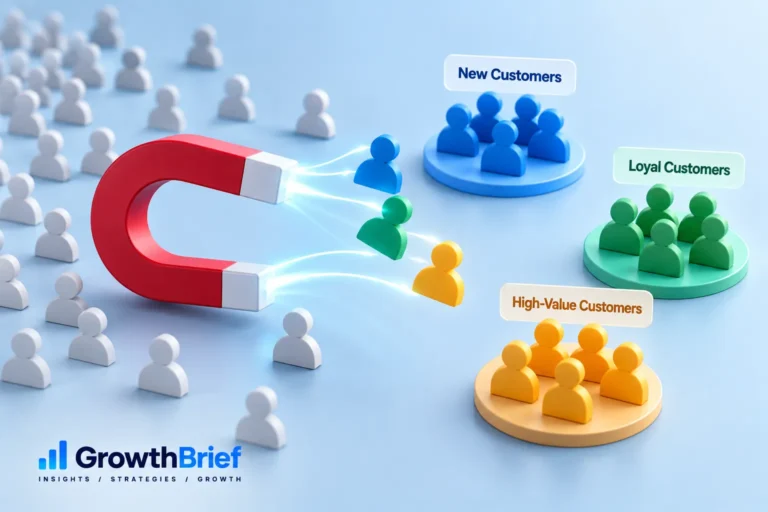
Use a preference, click, lifecycle state, or other meaningful signal to direct the subscriber toward the most relevant resource. This is where segmentation can improve the experience.
Email 5: Present the next logical action
If appropriate, invite the subscriber to evaluate a product, start a trial, book a conversation, read a deeper guide, or take another relevant step. The offer should feel like the natural continuation of the sequence.
How Long Should You Wait Between Emails?
Timing depends on urgency and context. A resource-delivery email should usually arrive immediately. Follow-up education may be spaced by a day or several days. Product onboarding may respond to actual behavior rather than a fixed calendar.
Do not add delays just because a template includes them. Each delay should make sense for the subscriber’s situation.
Use Behavior When It Changes the Message
A welcome sequence becomes more useful when the workflow responds to meaningful behavior. For example, someone who completed setup may skip a reminder. Someone who clicked a specific topic may receive a related guide. Someone who purchased may exit a prospect sequence.
This logic is part of email marketing automation, but keep the first version simple enough to test confidently.

What to Include in the First Welcome Email
- a recognizable sender name;
- a clear reminder of the signup context;
- the promised resource, access, or next step;
- one primary call to action;
- a brief expectation for future emails;
- an easy way to unsubscribe or manage preferences where applicable.
Clarity is more important than cleverness in the first email.
Welcome Sequence Mistakes to Avoid
Delaying the promised resource
The subscriber’s intent is highest around signup. Deliver what was promised immediately.
Sending too many introductions
The sequence is about helping the subscriber, not publishing your entire company history.
Using several competing calls to action
Give each email a primary job. Too many choices can weaken the next step.
Failing to remove customers or completed users
Exit rules prevent people from receiving messages that no longer fit their situation.
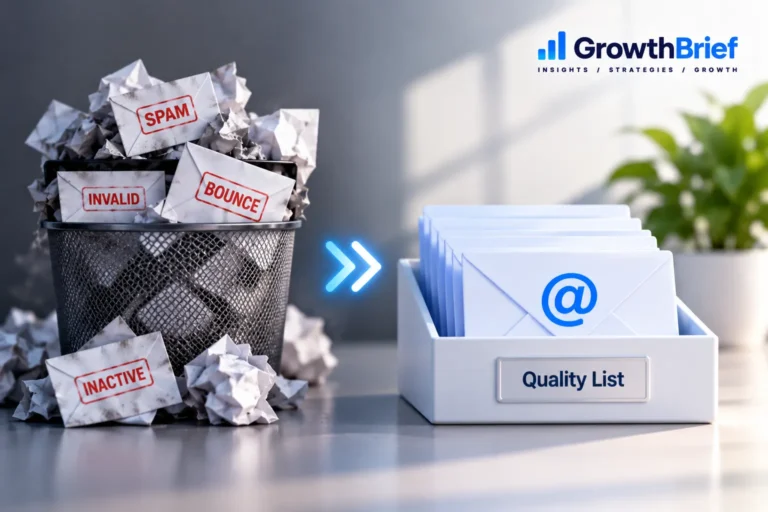
Ignoring deliverability and list quality
Even a strong welcome sequence can perform poorly if addresses are invalid or messages are filtered. Review the fundamentals in our email deliverability guide.
How to Measure a Welcome Sequence
Measure the sequence against its actual purpose. Useful outcomes can include resource access, first meaningful click, account activation, profile completion, trial usage, first purchase, preference selection, reply rate, or unsubscribe behavior.
Look at the sequence as a journey, not five isolated emails. One email may have a lower click rate but still contribute to a stronger final outcome by preparing the reader for the next step.
A Welcome Sequence Review Checklist
- Does Email 1 deliver the signup promise immediately?
- Does every message have one clear job?
- Are delays based on user context rather than habit?
- Are buyers or completed users removed when appropriate?
- Are important links and automations tested?
- Does the sequence teach before asking for too much?
- Is the final action relevant to the relationship built so far?
Example Timing for a Simple Welcome Series
| Message | Typical timing | Primary job |
|---|---|---|
| Email 1 | Immediately | Deliver the promise |
| Email 2 | 1–2 days later | Create an early win |
| Email 3 | 2–3 days later | Add context and credibility |
| Email 4 | Behavior-based or 2–3 days later | Personalize the path |
| Email 5 | After value has been established | Offer the next logical action |
This is a planning example, not a universal schedule. Subscriber intent and behavior should override a rigid calendar when better data is available.
Frequently Asked Questions
How soon should the first welcome email be sent?+
Usually immediately after the triggering signup, registration, or request because it often contains the resource or confirmation the subscriber expects.
How many emails should be in a welcome sequence?+
Use as many as needed to deliver the promise, orient the subscriber, provide value, and guide a useful next step. Simple programs may need only two or three.
Should a welcome sequence include a sales offer?+
It can, when the offer is a logical next step and the sequence has already established context and relevance. It should not replace the promised value.
Can different subscribers receive different welcome sequences?+
Yes. Signup source, lifecycle stage, interests, product status, and behavior can justify different paths when those differences meaningfully change the message.
What is the biggest welcome-email mistake?+
Failing to deliver the thing the subscriber expected. The first message should confirm the relationship and make the promised value easy to access.